Residential Drain Cleaning Tacoma Planning Tips for Seasonal Home Maintenance
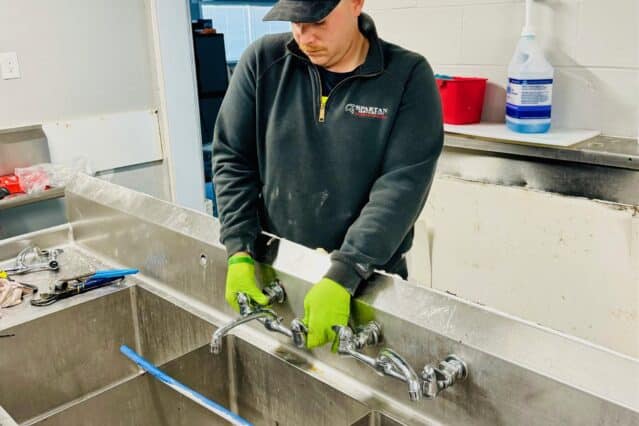
Seasonal home maintenance tends to focus on what people can see. Gutters get cleaned, furnaces get serviced, siding gets washed, and roofs get inspected. Drains rarely get the same attention until a sink slows down, a shower pan starts pooling, or a basement drain backs up at the worst possible moment. By then, the job is no longer routine maintenance. It is a disruption.
That pattern shows up often in homes around Tacoma. The local mix of older neighborhoods, steady rainfall, mature trees, and fluctuating household use creates a setting where drains can shift from fine to troublesome in a matter of weeks. A home might move through winter with no obvious warning, then hit spring and suddenly reveal a laundry drain that gurgles, a kitchen sink that empties sluggishly, or a tub line carrying years of soap residue that has finally narrowed enough to matter.
Planning ahead for Residential Drain Cleaning Tacoma Spartan Plumbing Services Residential Drain Cleaning Tacoma homeowners can rely on is not about overreacting. It is about treating the drainage system as part of the house that deserves timing, observation, and judgment. A little attention at the right point in the year can prevent a much messier problem later.
Why seasonal planning works better than waiting for a clog
Drain systems usually fail gradually before they fail dramatically. Grease collects a little at a time. Hair binds to soap film. Food particles catch in rough interior pipe surfaces. Mineral scale tightens older lines. Exterior moisture changes the behavior of soil around buried pipes. Tree roots follow water. None of that is especially dramatic in the early stages, which is exactly why many homeowners miss it.
A planned seasonal approach works because it catches small losses in performance before they become complete stoppages. You are not trying to predict every issue. You are giving yourself regular opportunities to notice patterns. Does the kitchen sink drain more slowly after the holiday cooking season? Does the downstairs shower back up more often during the wetter months? Does the washing machine line struggle when everyone is home for summer break? Those are not isolated annoyances. They are maintenance signals.
Tacoma homes vary widely, and that matters. A craftsman built decades ago may have older branch lines and a drainage layout that behaves very differently from a newer home on a slab. A house shaded by large firs or maples carries different risk than a lot with minimal landscaping. A family of five generates more drain load than a retired couple, even if the plumbing system is newer. Good planning accounts for how the house is actually lived in, not just what a generic checklist says.
The Tacoma factor: moisture, roots, and older infrastructure
Drain cleaning advice that works in a dry climate does not always translate well to Western Washington. Tacoma’s rain does not directly clog indoor sink and tub lines, but sustained moisture changes the broader picture. Wet soil can expose weaknesses in older sewer laterals. Root systems stay active in a climate where water is rarely far away. Exterior cleanouts and yard drains may reveal problems sooner in the rainy season because the whole system is under more stress.
In many established Tacoma neighborhoods, the age of the home is part of the story. Older drain lines can have rougher interiors, scale buildup, offsets at joints, or materials that simply do not perform as well as modern piping. Even when a line is not near collapse, years of buildup can reduce internal diameter enough that routine household use starts creating backups.
Homeowners often assume that if all drains are still moving, the system is healthy. In practice, many lines operate in a compromised state for quite a while. Water still gets through, just not efficiently. That is why the early clues matter. Gurgling after toilet flushes, intermittent sewer odors, standing water around a floor drain, and recurring slowdowns in the same fixture are all worth paying attention to.
The best times of year to think about drain cleaning
There is no single perfect month for every home, but there are seasons when planning makes far more sense.
Late winter into early spring is one of the smartest windows. Homes have just come through heavy indoor use, especially around holidays and cold-weather cooking, and the rainy season often reveals drainage weaknesses. If a line is partially restricted, spring is when many owners first notice it.
Early summer is another practical period. Scheduling is often easier before peak vacation routines take over, and the weather makes exterior inspection simpler. If you have yard drains, cleanouts, or any concern about roots in buried sewer lines, dry weather makes diagnosis cleaner and less disruptive.
Early fall deserves more attention than it gets. It is a good time to reset the plumbing system before holiday cooking, visiting relatives, and more frequent indoor laundry loads increase demand. If a kitchen line has been tolerating grease and food debris all year, fall cleaning can prevent a midwinter backup.
The least ideal strategy is waiting until a known high-use weekend. If you suspect a problem before Thanksgiving, before houseguests arrive, or before a stretch of freezing weather, act then. Drain issues rarely improve under pressure.
What a maintenance-minded homeowner should watch for
Most serious drain problems give small warnings first. The trick is recognizing them as a pattern rather than isolated inconvenience.
Here are five signs that routine attention may be overdue:
- One fixture drains slowly every time, especially a kitchen sink, tub, or shower.
- Two nearby fixtures affect each other, such as a toilet bubbling when a sink or tub drains.
- You notice recurring odors from a drain even after normal cleaning.
- A problem clears temporarily, then returns within days or weeks.
- Water appears at a floor drain, basement area, or low fixture during heavy household use.
A single slow bathroom sink might just need local cleaning at the stopper assembly. A repeating pattern across multiple fixtures points to something farther downline. That difference matters. It affects whether the issue can be handled with simple maintenance or whether a deeper inspection is warranted.
Kitchen drains deserve their own calendar
If one part of the house consistently causes trouble, it is the kitchen. Not because people are careless, but because kitchen drains collect a difficult combination of material. Warm grease goes down as liquid, then cools and clings. Starches swell. Coffee grounds compact. Fine food scraps settle in low spots. Soap binds everything into a stubborn film.
In real homes, this buildup happens even when the household believes it is being careful. A pan gets rinsed. A pot of soup leaves a thin fat residue. Holiday cooking adds a week of heavy load. Over time, the line narrows enough to slow drainage. Then one more greasy dinner or one disposal-heavy cleanup tips it over the edge.
Seasonal planning helps here because kitchen drain maintenance can be timed around known stress periods. A home that hosts frequently in November and December may benefit from service in early fall. A household that grills and cooks heavily through summer might be better off booking maintenance in late spring.
Kitchen lines also teach a useful lesson about false confidence. Store-bought liquid drain cleaners may create the impression of progress because they sometimes open a small channel through soft buildup. They rarely remove the full deposit lining the pipe. In some cases, repeated chemical use can make professional service less pleasant and can be hard on older piping. Mechanical cleaning or proper professional clearing is usually the more reliable route when a kitchen line is chronically sluggish.
Bathrooms clog differently, and the solution should match the cause
Bathroom drains usually tell a different story. Hair is often the main culprit, especially in tubs and showers. Add soap residue, skin oils, and occasional hard water deposits, and you get a dense mat that catches more debris each week. Unlike kitchen grease, which can coat a long horizontal run, bathroom blockages often form near the drain opening, trap, or early section of the branch line.
That sounds simpler, and sometimes it is. A hair-related tub clog near the surface may respond well to manual removal or a basic mechanical tool. But not every bathroom issue stays local. If a shower slows and the nearby toilet begins acting oddly, the problem may be deeper in the shared branch. In homes with multiple bathrooms, simultaneous sluggishness often points to a main line issue rather than separate small clogs happening at once.
There is also a judgment call with older homes. A bathroom that clogs every few months may not just have a usage problem. It may have a pipe condition problem. Rough cast iron interiors, slight misalignment, or years of accumulated scale can turn ordinary hair and soap into a recurring service call. At that point, repeated spot-clearing becomes less efficient than a more complete inspection.
Main line problems do not behave like sink clogs
Homeowners often think of drains fixture by fixture. The kitchen sink is slow, so the kitchen sink must be the problem. Sometimes that is true. But the most expensive and disruptive issues are usually on the main line, and they leave a broader pattern.
A main line restriction often announces itself at the lowest drains first. That could mean a basement floor drain, a lower-level shower, or a first-floor toilet in a one-story home. Water takes the path of least resistance. If the main line cannot carry discharge away fast enough, lower fixtures become relief points.
This is where Tacoma’s tree-heavy properties complicate things. Root intrusion does not always create an immediate total blockage. Roots can enter through tiny defects and gradually trap paper and waste until the line becomes unreliable. One week the house seems fine. The next week a large laundry load and a shower at the same time trigger a backup.
The planning takeaway is simple. If multiple fixtures are involved, or if the lowest drain in the house is showing trouble, treat that as a priority. Seasonal maintenance is meant to prevent emergencies, not rationalize them away.
How to build a seasonal drain maintenance plan that fits your home
The most effective maintenance plans are specific. They take into account the age of the house, the habits of the household, and any history of previous problems. A small condo with new plumbing needs a different approach than a 1950s house with big trees and a family that cooks every night.
A practical plan usually includes the following steps:
- Note problem fixtures and timing for one full year, including slow drains, odors, and backups.
- Match service timing to household demand, such as before holidays or after heavy rainy months.
- Separate local maintenance issues from whole-system warning signs.
- Schedule professional cleaning sooner if the home has older pipes or a history of root intrusion.
- Reassess after any remodel, major landscaping change, or shift in household size.
That first step matters more than people expect. A few notes on your phone can reveal patterns that memory will miss. Maybe the laundry drain only acts up in winter. Maybe the guest bathroom is fine all year, but the primary shower slows every six months. Maybe every trouble spot clusters around one section of the house. Those details help a drain cleaning professional target the likely cause instead of treating the whole system as a mystery.
Professional service versus homeowner maintenance
There is a sensible middle ground between ignoring drains and calling for service every time water slows slightly. Homeowners can do quite a bit of useful prevention. Removing visible hair from stoppers, avoiding grease disposal, flushing kitchen lines with hot water after greasy cooking, and paying attention to odors and gurgling all help. So does using strainers in showers and sinks where practical.
What homeowners cannot reliably do is diagnose the full condition of a branch line or main sewer lateral from the fixture opening. That is where professional judgment comes in. Mechanical snaking, augering, and in some cases hydro jetting each have their place, but they are not interchangeable. A line with delicate older material may not be the right candidate for aggressive cleaning. A root-heavy main line may need more than a simple reopen. A recurring clog in the same location may justify camera inspection rather than another temporary clear.
This is one reason the phrase Residential Drain Cleaning Tacoma should mean more than just emergency response. The best service providers are not only there to restore flow after a failure. They help homeowners understand whether they are dealing with routine buildup, recurring misuse, aging infrastructure, or a larger repair issue.
The trade-offs in timing service too early or too late
Some homeowners worry that scheduling routine drain cleaning is unnecessary if nothing is actively clogged. Others wait until the house is one shower away from a backup. Both approaches have drawbacks.
Cleaning too frequently can mean spending money without much benefit, especially in newer homes with light usage and no drainage history. Not every home needs annual full-system service. In a newer property with good habits and no warning signs, periodic observation may be enough.
Waiting too long usually costs more. Emergency service tends to happen at inconvenient hours and under stress. Water damage, cleanup, and interrupted routines quickly dwarf the cost of planned maintenance. There is also the human factor. A slow tub on a Tuesday is manageable. A sewer backup while hosting family is a completely different problem.
The right interval often emerges from the home’s own history. Some households need professional drain cleaning every year or two. Others can go longer with only minor local upkeep. The mistake is assuming your house belongs in one category without evidence.
A few field-tested habits that reduce problems between cleanings
People tend to want a magic product for drains. There usually is not one. What works best is a handful of boring habits done consistently. Keep grease out of kitchen lines, even in small amounts. Catch hair before it enters the drain. Run enough water when using disposals to move fine waste through the line. Pay attention when a drain changes behavior, even slightly.
If you have had previous sewer line issues, know where your cleanout is and keep it accessible. If large roots have been a problem before, mention that history whenever service is scheduled. If a plumber tells you a line is deteriorating, do not file that information away and forget it. Cleaning can restore function, but it does not reverse structural decline.
One homeowner lesson that comes up often is this: recurring problems are data. If the same shower, sink, or floor drain acts up again and again, the system is telling you something specific. It may be a design issue, a pipe condition issue, or a usage issue, but it is rarely random.
What to ask when scheduling service
Not all drain cleaning calls are the same, and it helps to describe symptoms clearly. Saying “the sink is clogged” is less useful than explaining that the kitchen sink drains slowly, the disposal hums normally, and the slowdown gets worse after running the dishwasher. Likewise, saying “the bathroom backs up” is less helpful than noting that the toilet bubbles when the tub drains and the problem is worst in the downstairs bath.
Ask what method is appropriate for your type of problem. Ask whether repeated backups in the same area suggest a camera inspection. Ask whether the age of the home changes the recommended approach. A good professional answer will sound measured, not one-size-fits-all.
That is especially important in older Tacoma homes, where pipe material and condition influence what can safely be done. Clearing a blockage is one objective. Understanding why it formed, and whether it is likely to return, is the more valuable part of the visit.
Making drain care part of the larger maintenance rhythm
The best home maintenance routines are not complicated. They are seasonal, repeatable, and tied to how the house actually functions. Drains fit naturally into that pattern. When you think about roof runoff, wet weather, holiday guests, landscaping growth, and periods of heavy cooking or laundry, you begin to see why drain Residential Drain Cleaning Tacoma planning belongs on the same calendar as HVAC service and gutter cleaning.
For many households, that means a spring check-in and a fall review. For others, especially homes with a history of root intrusion or recurring backups, it may mean setting a more specific schedule with a trusted local professional. The point is not to create busywork. It is to avoid the cost, mess, and stress that come from treating the drainage system as invisible until it stops working.
Residential Drain Cleaning Tacoma homeowners schedule thoughtfully is rarely about one dramatic service call. More often, it is the result of noticing the house, respecting seasonal patterns, and acting while the problem is still manageable. That is what turns drain cleaning from an emergency expense into a practical part of home care.
Spartan Plumbing Services
Address: 760 107th St S, Tacoma, WA 98444
Phone number: +12534998773
FAQ About Residential Drain Cleaning Tacoma
How much does it cost to have someone clean your drains?
Professional drain cleaning costs between $147 and $352 on average, with most homeowners paying around $246. The final price is heavily determined by the type of drain affected, the clearing method needed, and your geographic location.
How much does it cost to clean a drain line?
Professional drain cleaning costs between $147 and $352 on average, with most standard residential jobs landing right around $246. However, your final bill can scale from $100 to over $800 depending entirely on which drain is clogged and the method required to clear it.
Is professional drain cleaning worth it?
Yes, professional drain cleaning is worth it because it clears deep buildup and prevents expensive plumbing emergencies.